Skip to content
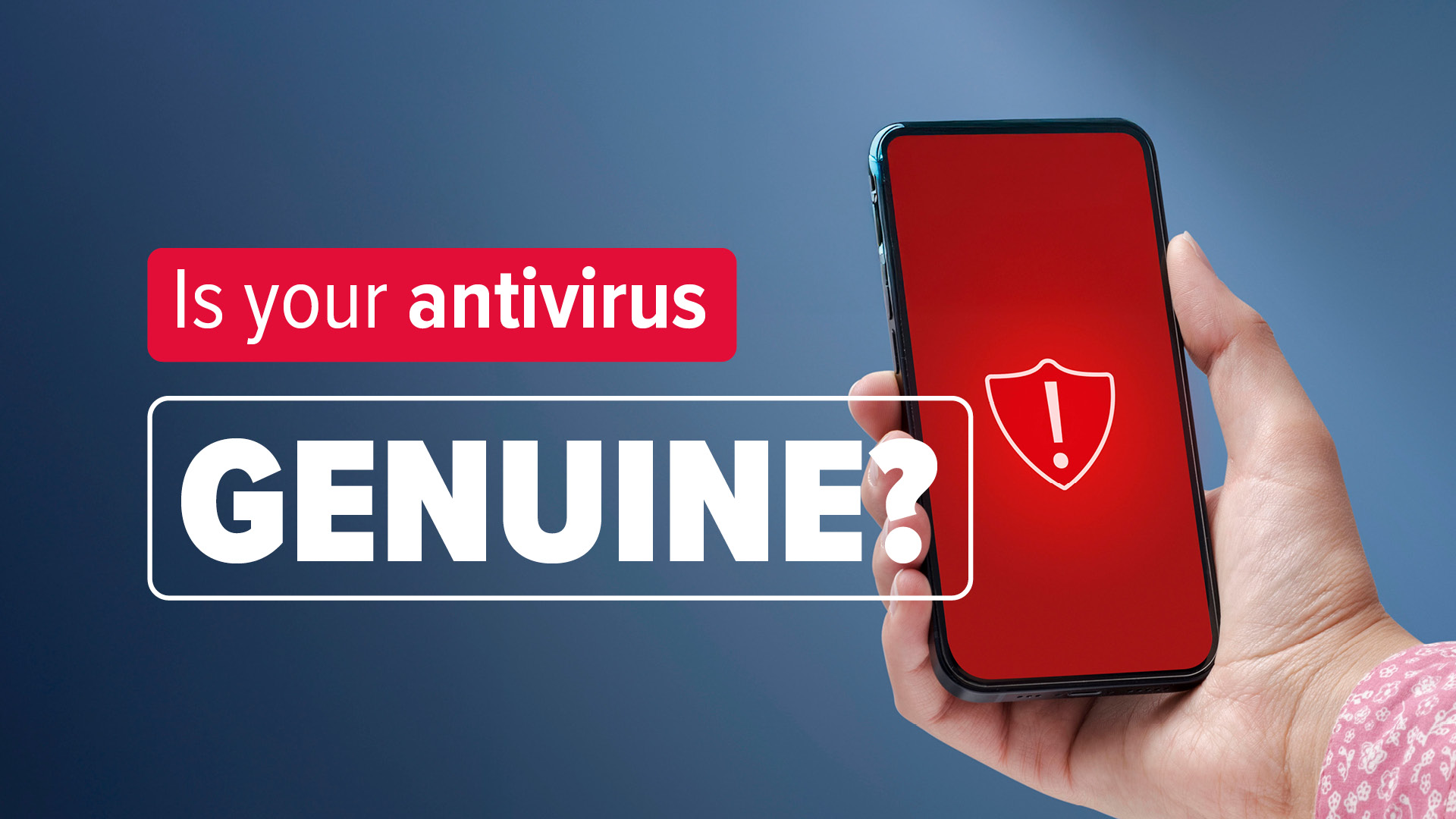
That “Antivirus Download” Could Actually Be Malware — Here’s What to Watch For
When you’re trying to protect your business, what could possibly go wrong by downloading antivirus software?
More than you might think.
In fact, if you’re not careful, that “antivirus” could be the very thing that compromises your business.
When Security Tools Become the Threat
Cybercriminals are getting increasingly sophisticated—and one of their most effective tactics is deception.
Recently, attackers created a fake website that looked nearly identical to a well-known cybersecurity provider. Everything appeared legitimate:
- Professional design
- Correct branding
- A convincing download button
But behind that button was something entirely different.
Instead of protection, users downloaded a file called StoreInstaller.exe—which secretly installed VenomRAT.
What Is VenomRAT (And Why It’s Dangerous)?
VenomRAT is a Remote Access Trojan (RAT)—a type of malware that gives attackers full control over your device without your knowledge.
Once installed, it can:
- Steal passwords and login credentials
- Record keystrokes (including sensitive data)
- Access your webcam
- Install additional malware
- Give attackers ongoing access to your systems
In other words, it turns your computer into an open door.
This Isn’t Just About Spying—It’s About Theft
The goal of this attack wasn’t just surveillance—it was financial gain.
Cybercriminals used this method to:
- Steal business login credentials
- Access cryptocurrency wallets
- Sell stolen data on the dark web
- Directly transfer funds
And antivirus software isn’t the only thing being faked.
Attackers are also impersonating:
- Banks
- IT service providers
- Software companies
Some fake sites are even hosted on trusted platforms like Amazon—making them look even more legitimate at a glance.
What Happens If Your Business Falls for This?
The impact can be severe:
- Data breaches exposing sensitive company or client data
- Financial losses from stolen credentials or fraud
- Operational downtime
- Compliance violations
- Damage to your business reputation
And recovery isn’t simple—it’s time-consuming, expensive, and stressful.
How to Protect Your Business
The good news: this is preventable with the right habits and safeguards.
Here’s what you should do:
- Always verify website URLs before downloading anything
- Never click download links from emails or messages unless you’re 100% sure they’re legitimate
- Only download software directly from official vendor websites
- Train employees to recognize phishing and fake sites
- Use layered cybersecurity protection
Most importantly—don’t guess.
When in Doubt, Get a Second Set of Eyes
Cybercriminals don’t just rely on technology—they rely on people being busy, distracted, or trying to do the right thing.
That’s why having a trusted IT partner matters.
If something doesn’t feel right, it probably isn’t.
Don’t Let a Simple Download Turn Into a Major Breach
A single click can expose your entire business.
But a little extra caution—and the right support—can prevent it.